
About the project
The aim of the project has been to investigate all the known private associations of the Greek-speaking world from ca. 500 BC to AD 200 with a view to shedding light on their impact on the political, economic, social and cultural life of their home societies.
The project has successfully achieved its principal objectives: (a) to gain new insights into the character and societal place of the ancient associations; (b) through a systematic collection and presentation of the available evidence to build up a solid empirical basis for the further study of the subject; and (c) to put the subject on the international scholarly agenda.
The grant’s impact is strongly felt in particularly four areas: (a) it has urged scholarship to appreciate the contribution of privately created but publicly acting collectives to historical change in the ancient world; (b) on a firm empirical foundation it has demonstrated that major developments occurring within key institutions – primarily institutions of the state, of religious orientation and of the market – often were the outcome of co-operation, rather than antagonism, between public and private actors; (c) it has offered the scientific field a valuable, free for use research tool (a searchable, electronic database, on which see below) that provides a vast substratum of documentation for a variety of future studies; and (d) in connection with the preparation of the database, it has instanced the close collaboration of some fifty scholars worldwide.
Organisation
(For short presentations, click ’Staff’).
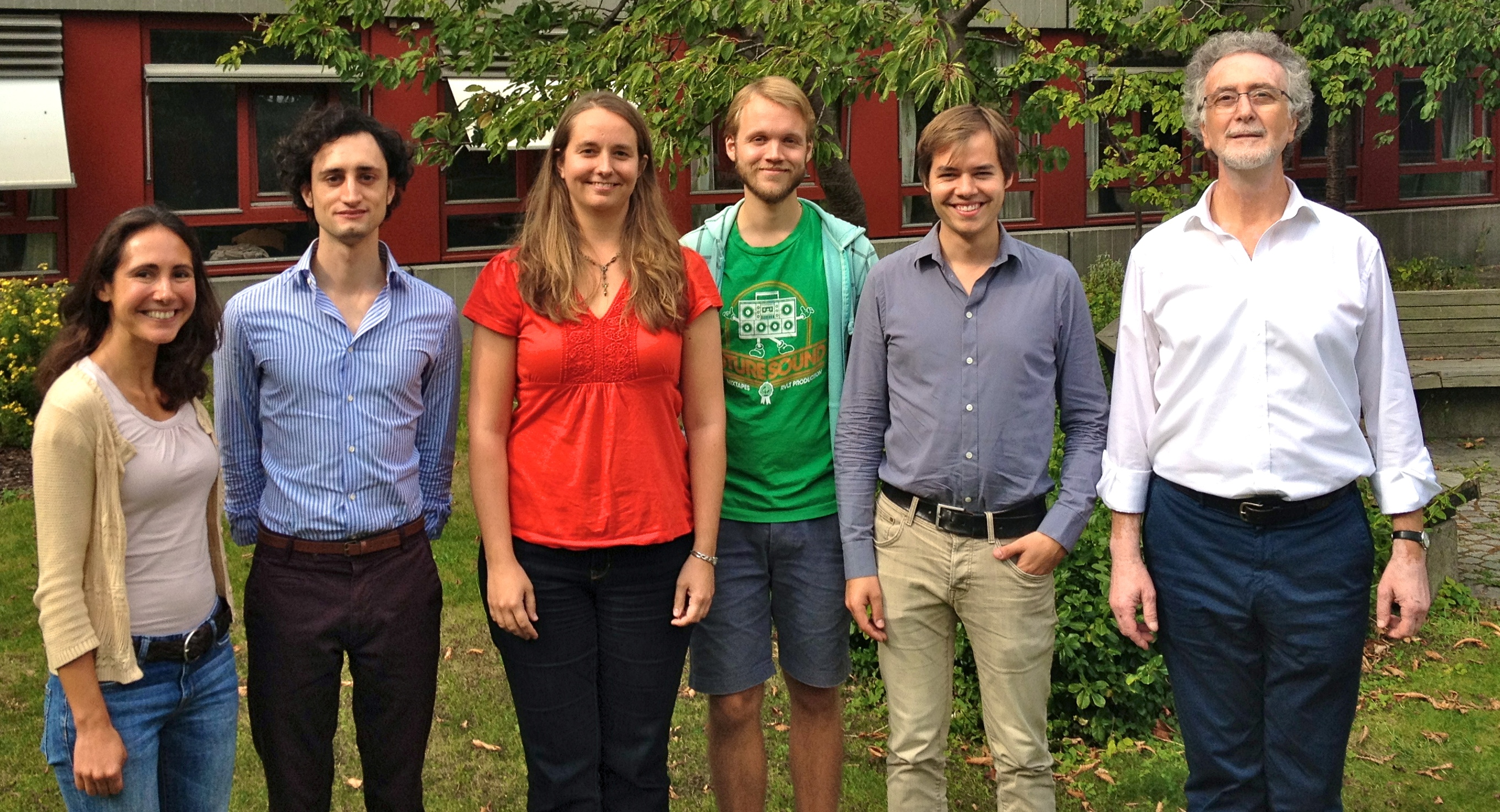
Besides the project director, the team of academic staff consists of three researchers and two PhD scholars. The whole team is physically based at the University of Copenhagen. A larger group of Associate Members co-operates with the project’s core staff, contributing in particular to the inventory of private associations.
Funding
The project is funded by the Carlsberg Foundation.